
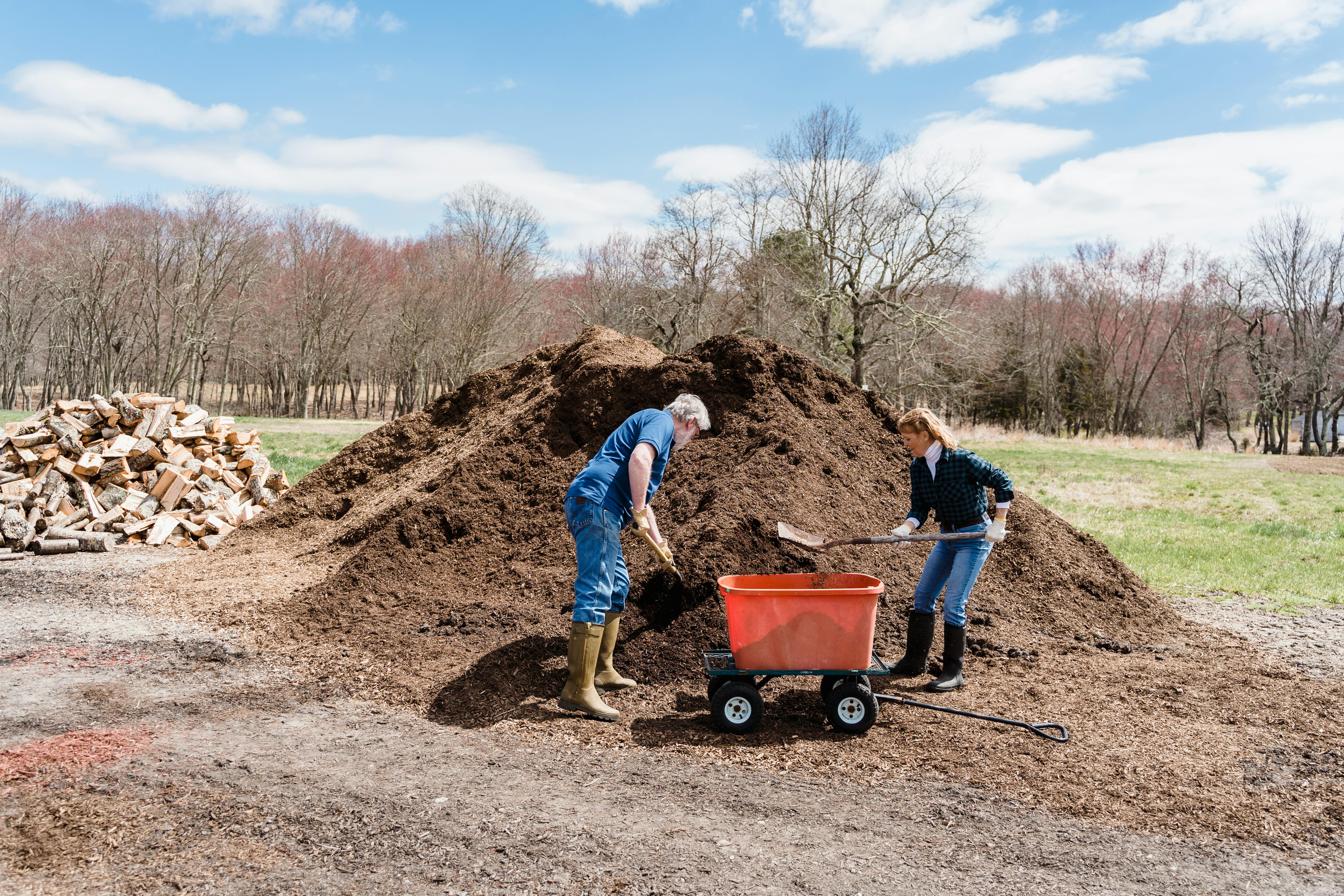
In the pursuit of a thriving garden, one must consider the foundation on which it grows. A key component to enhance garden vitality is mulch, specifically arborist mulch. This form of mulch, derived from tree trimmings and other organic materials, offers numerous benefits that can significantly improve the health and aesthetics of any garden. Understanding the advantages of arborist mulch and how it can be effectively utilized will provide gardeners with tools to cultivate a flourishing environment.
Benefits of Arborist Mulch
Enhances Soil Quality
Arborist mulch plays a crucial role in improving soil health. By covering the soil surface, it helps retain moisture, which is essential for plant growth. Additionally, as the mulch decomposes, it enriches the soil with organic matter, fostering a nutrient-rich environment. This natural process leads to improved soil structure and fertility.
Suppresses Weed Growth
One of the practical benefits of using arborist mulch is its ability to suppress weed growth. By covering the ground, it limits sunlight exposure to potential weeds, reducing their ability to germinate. This not only keeps the garden tidy but also minimizes competition for nutrients between weeds and desirable plants.
- Prevents weed germination by blocking sunlight.
- Reduces the need for chemical weed control.
- Maintains a clean garden appearance.
Regulates Soil Temperature
Temperature regulation is another advantage of using arborist mulch. It acts as an insulator for the soil, keeping root systems cool during hot weather and providing warmth during colder months. This stability in temperature is vital for the health of plants, ensuring they thrive throughout the seasons.
Application Tips for Arborist Mulch
Proper Layering
To maximize the benefits of arborist mulch, it is important to apply it correctly. A layer of about 2 to 4 inches is recommended. Too thin a layer may not effectively suppress weeds or retain moisture, while too thick a layer could suffocate plant roots. Learn about our tailored solutions for applying mulch effectively.
- Maintain a consistent layer thickness of 2-4 inches.
- Avoid piling mulch against the base of plants to prevent rot.
- Replenish mulch annually as it decomposes.
Timing and Placement
The timing of mulch application can impact its effectiveness. Ideally, apply mulch in late spring or early summer when the soil has warmed. This ensures that plants receive the full benefits of moisture retention and temperature regulation. Additionally, consider the specific placement around garden beds and trees to optimize health benefits. Explore advanced guides and tips on timing and placement.
Environmental Impact and Sustainability
Using arborist mulch not only benefits your garden but also supports environmental sustainability. By utilizing locally sourced organic materials, it reduces waste and promotes recycling of natural resources. Gardens can thrive while contributing to a more sustainable environment. Find out more about this approach to sustainable gardening.
Incorporating arborist mulch into your gardening practices offers a multitude of advantages, from improved soil health to effective weed suppression. Proper application and timing are essential to harness its full potential. Discover expert strategies here to transform your garden into a healthy, vibrant space.