
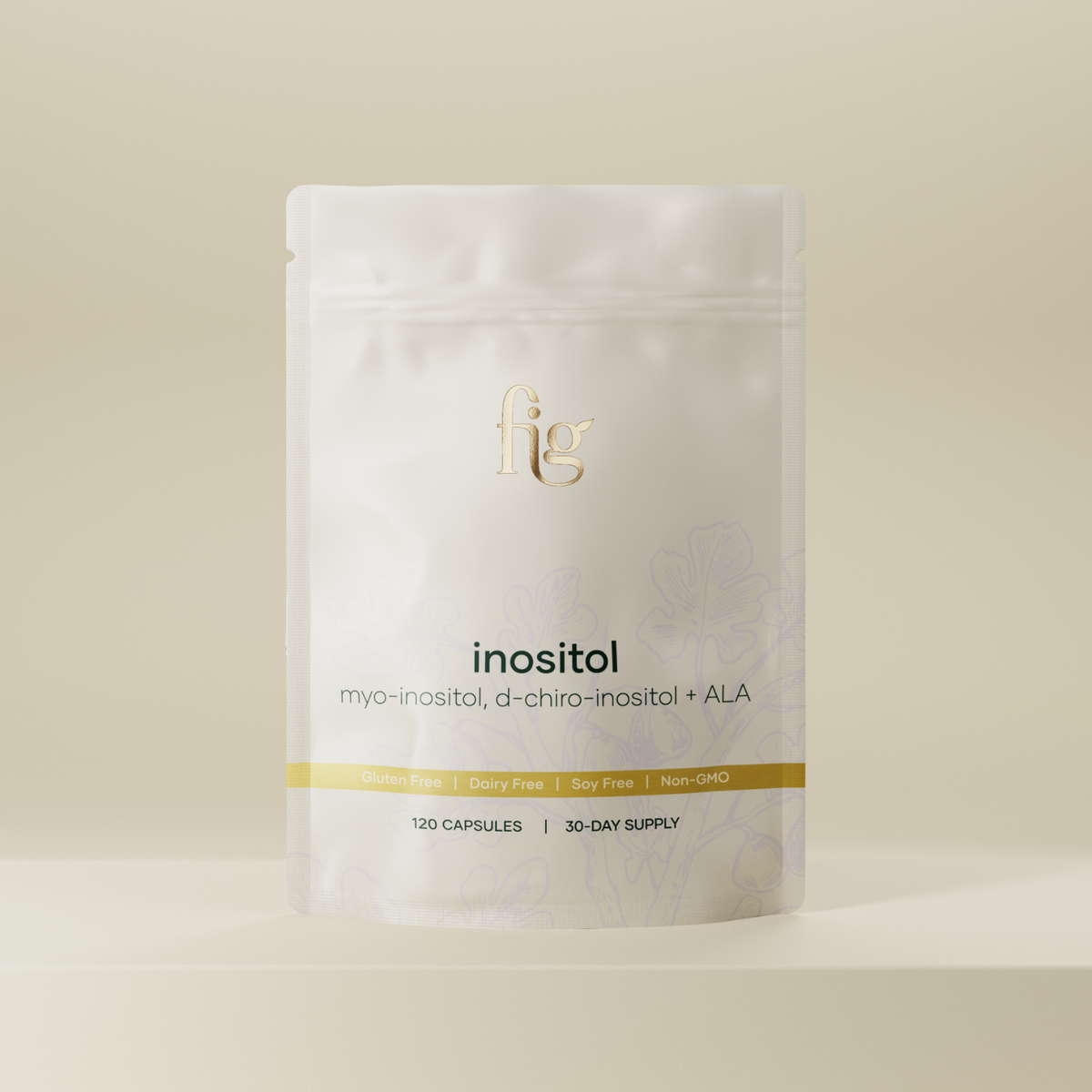
In the realm of biochemical compounds that contribute to health and wellness, inositol stands out for its significant role in hormone regulation. Often associated with the B-vitamin complex, inositol is integral to various physiological processes, particularly those involving hormonal balance. This article delves into the multifaceted role of inositol in hormone regulation, exploring its benefits and applications in maintaining overall well-being.
Understanding Inositol
Inositol is a carbohydrate with nine isomers, the most prominent being myo-inositol and D-chiro-inositol. These isomers are involved in critical cellular processes:
- Signal transduction pathways that regulate cellular activities.
- Cell membrane formation and function.
- Fat metabolism and transport.
Despite being naturally produced by the human body, supplemental Inositol can enhance these processes, particularly for those with specific health conditions.
The Role of Inositol in Hormone Regulation
Polycystic Ovary Syndrome (PCOS)
Polycystic Ovary Syndrome is a condition characterized by hormonal imbalance, which can lead to irregular menstrual cycles, infertility, and other metabolic issues. Inositol, particularly myo-inositol, has shown promise in addressing these concerns:
- Improves insulin sensitivity, reducing insulin resistance commonly seen in PCOS.
- Helps in restoring normal ovarian function and improving ovulation rates.
- Alleviates symptoms such as acne and excessive hair growth by balancing hormone levels.
Studies indicate that inositol supplements can be an effective, natural approach to managing PCOS symptoms, enhancing fertility, and improving metabolic health.
Mood Disorders and Hormonal Health
Inositol plays a crucial role in the function of neurotransmitters in the brain, which are closely linked to mood regulation. Its impact on hormonal health extends to mental well-being:
- Acts as a precursor to serotonin, a key hormone for mood balance.
- May reduce symptoms of anxiety and depression by regulating serotonin levels.
- Supports the hypothalamic-pituitary-adrenal (HPA) axis, which is critical in stress response.
This makes inositol an important ally in the management of mood disorders, potentially offering an alternative to traditional medications with fewer side effects.
Inositol in Metabolic Health
Beyond hormonal regulation, inositol’s influence on metabolic health is noteworthy. It contributes to the regulation of blood sugar levels and lipid profiles:
- Enhances the body’s response to insulin, aiding in glucose control.
- Reduces symptoms of metabolic syndrome, such as high blood pressure and cholesterol levels.
- Supports weight management efforts by improving metabolic efficiency.
These benefits demonstrate how inositol can be instrumental in preventing and managing metabolic disorders, offering a multifaceted approach to health.
Conclusion
Inositol’s role in hormone regulation is multifaceted and impactful, offering benefits that extend from reproductive health to mental well-being and metabolic efficiency. As research continues to unveil its potential, incorporating inositol into wellness routines becomes increasingly appealing for those seeking natural ways to enhance hormonal balance. Understanding the right dosage and formulation, such as those provided in specialized supplements, can optimize its benefits, making it a valuable component in the pursuit of holistic health.