
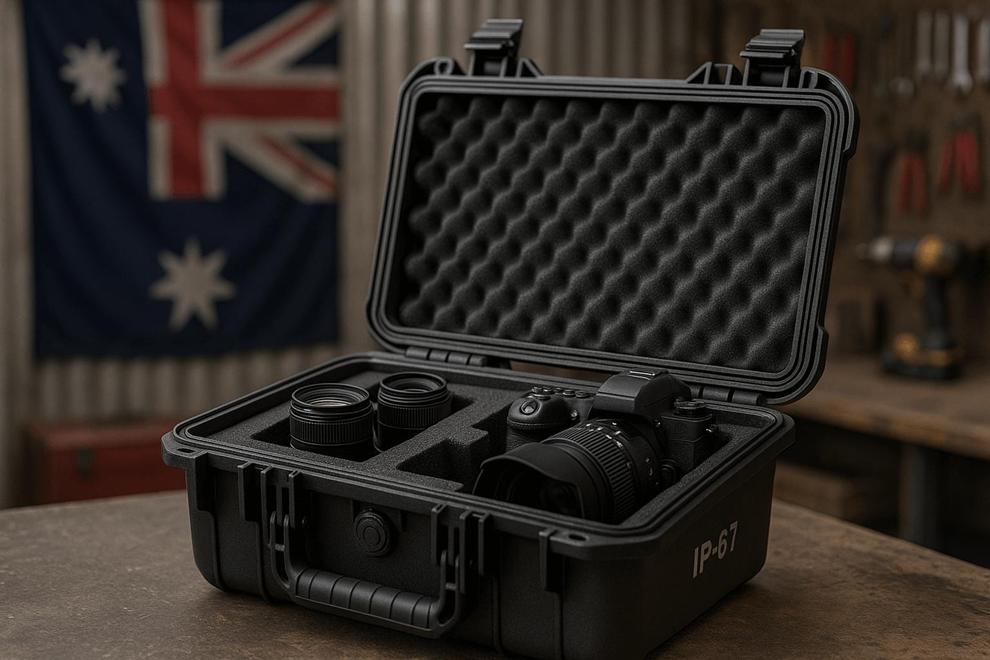
Designing custom foam inserts for military cases is a critical process that ensures the safety and protection of sensitive equipment during transport and storage. The military environment demands precision, durability, and adaptability in its storage solutions. Therefore, crafting the perfect foam insert requires careful consideration of multiple factors. This article outlines essential tips for designing custom foam inserts that meet military standards and offer optimal protection for equipment of all sizes and shapes.
Understanding the Requirements
A successful design starts with understanding the specific needs and requirements of the equipment it will protect. Consider the following:
- Identify the equipment’s dimensions and weight.
- Determine the fragility and sensitivity of the items involved.
- Assess environmental factors such as temperature, humidity, and potential exposure to chemicals.
Understanding these elements will guide the choice of materials and the overall design of the foam insert. Discover expert strategies here to better align with military specifications.
Choosing the Right Foam Material
Foam material selection is crucial as it directly affects the level of protection provided. Consider these foam types commonly used in military cases:
Polyethylene Foam
This type is known for its high load-bearing capacity and resistance to chemicals and moisture. It is ideal for heavy or sharp equipment.
Polyurethane Foam
Offering excellent cushioning properties, polyurethane foam is suitable for delicate or lightweight items that require gentle handling.
For more on selecting appropriate materials, learn about our tailored solutions that offer a comprehensive guide on foam types and their applications.
Precision in Design and Cutting
Achieving a precise fit is essential to ensure that the equipment remains stationary and protected. Here are some effective practices:
- Utilize CAD (Computer-Aided Design) software to create accurate designs.
- Incorporate laser cutting technology for precision and consistency.
- Account for any necessary cutouts for accessories or irregularly shaped items.
Precision in design not only enhances the protective features but also aids in efficient use of space within the case. Explore advanced guides and tips on achieving precision in foam design.
Ensuring Durability and Longevity
Durability is a non-negotiable quality for military foam inserts. To enhance longevity:
- Opt for high-density foam materials that withstand wear and tear.
- Incorporate anti-static properties if electronic equipment is involved.
- Consider modular designs that allow for easy replacement and reconfiguration.
Durability ensures that the foam insert can endure harsh conditions without compromising the safety of the equipment. Find out more about this approach to extend the life of your protective solutions.
Testing and Validation
Before finalizing the design, rigorous testing is crucial to validate its effectiveness:
- Conduct drop tests to simulate transportation impacts.
- Evaluate the foam’s performance under extreme temperatures and moisture conditions.
- Gather feedback from field tests for real-world performance insights.
Testing ensures that the foam insert meets all necessary standards and provides peace of mind that the equipment is well-protected. Explore advanced guides and tips to ensure thorough testing and validation processes.
Designing custom foam inserts for military cases requires a blend of precision, material expertise, and understanding of military demands. By following these essential tips and leveraging expert resources, optimal protection and functionality can be achieved, ensuring the safety and readiness of essential equipment in the field.